
AI SEO Tools vs Traditional SEO tools: Which One is Better in 2026?
Traditional SEO vs AI SEO | AI vs Traditional SEO | AI SEO Tools | Traditional SEO Tools
Thank you for reading this post, don't forget to subscribe!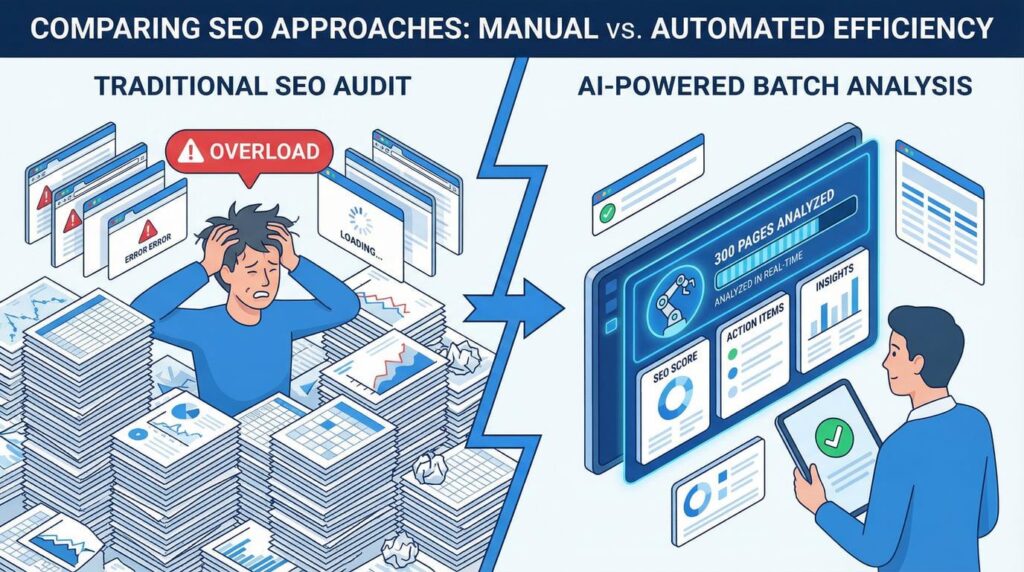
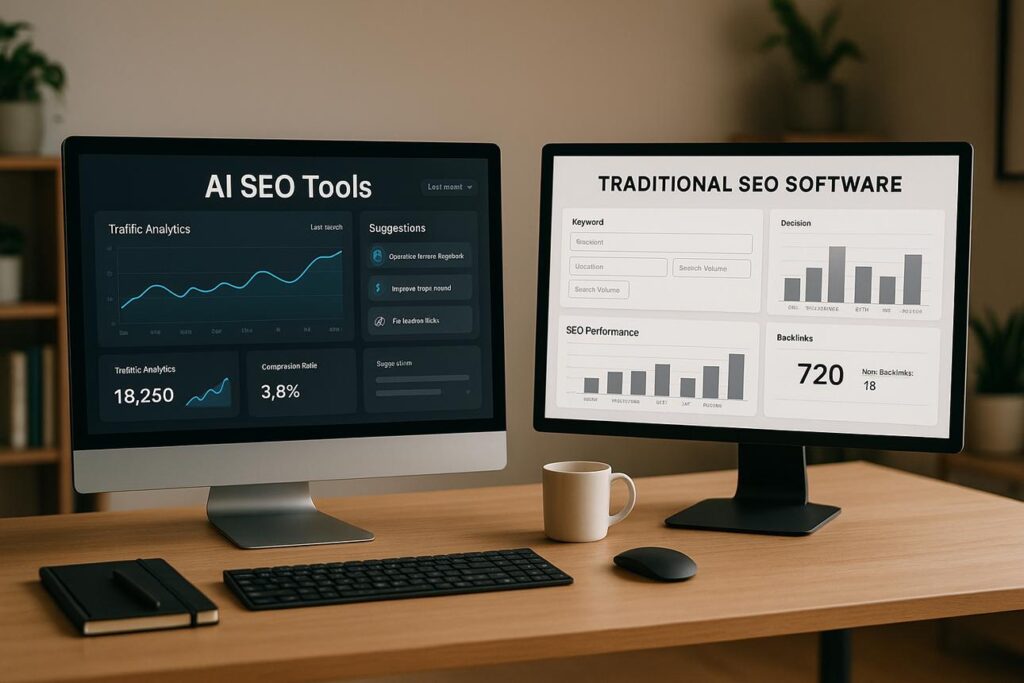
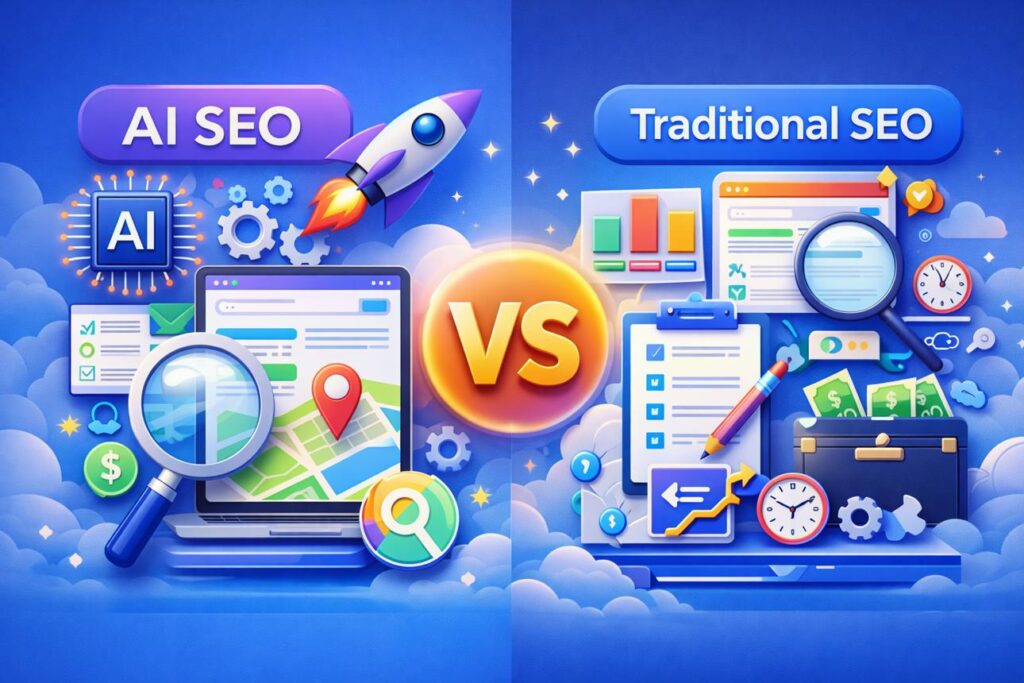
AI SEO Tools Vs Traditional SEO Tools
Introduction
AI SEO Tools vs Traditional SEO Tools needs a study and we have to understand the difference between the two.
Search Engine Optimization (SEO) has changed dramatically over the last decade. Once relied heavily on manual keyword research, spreadsheets, backlink tracking, and time-consuming website audits has now entered into a new era powered by Artificial Intelligence (AI).
In present era, AI is reshaping how businesses optimize their websites, create content, perform competitor research, and improve search rankings. AI-powered SEO platforms can analyze millions of data points within seconds, recommend optimization strategies, generate content ideas, automate repetitive tasks, and even predict search trends.
At the same time, traditional SEO tools continue to play a significant role. Platforms like keyword research software, technical SEO crawlers, backlink analyzers, and rank trackers remain valuable for marketers who want complete control over their optimization strategies. But the importance of traditional SEO is always needed along with AI SEO tools.
So here we will study which approach is better between AI SEO tools vs traditional SEO tools.
Should you rely on AI SEO tools, continue using traditional SEO tools, or combine both?
In this comprehensive guide, we’ll compare AI SEO tools vs traditional SEO tools, examine their strengths and limitations, and help you determine which solution is best for bloggers, freelancers, agencies, local businesses, and enterprises in 2026.
What are Traditional SEO Tools?
Traditional SEO tools are software applications designed to help website owners improve their search engine rankings through manual analysis, reporting, and optimization.
These tools primarily collect and display SEO data. The user interprets that information and decides what actions to take.
Traditional SEO has been the backbone of digital marketing for years and remains widely used by SEO professionals worldwide.
Common Features of Traditional SEO Tools
Traditional SEO tools typically offer:
- Keyword research
- Rank tracking
- Website audits
- Backlink analysis
- Competitor research
- Site crawling
- Broken link detection
- XML sitemap analysis
- Core Web Vitals monitoring
- Technical SEO reporting
The difference between AI SEO tools vs traditional SEO tools platforms, traditional tools usually require users to analyze reports manually and implement recommendations themselves.
Examples of Traditional SEO Tools
Some well-known traditional SEO tools include:
- Google Search Console
- Google Analytics
- Screaming Frog SEO Spider
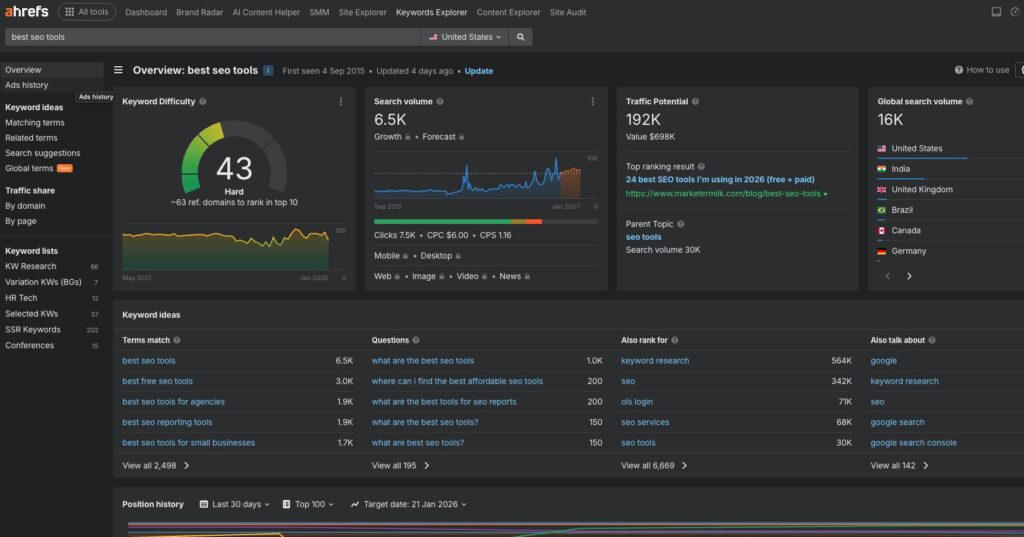
- Ahrefs
- Semrush
- Moz Pro
- SE Ranking
- Ubersuggest
These platforms provide detailed SEO insights but generally require more expertise to interpret and act on the data.
Benefits of Traditional SEO Tools
Traditional SEO tools remain relevant because they offer:
Accurate SEO Data
Reliable keyword metrics, backlinks, rankings, and technical reports.
Greater Control
SEO professionals can make strategic decisions without depending on AI-generated recommendations.
Comprehensive Technical Analysis
Excellent for identifying crawl issues, duplicate content, redirect chains, indexing problems, and site architecture concerns.
Proven Methodology
Many agencies continue to rely on traditional tools due to their established workflows and historical performance.
Limitations of Traditional SEO
Despite their strengths, traditional SEO tools present several challenges:
- Manual keyword research
- Time-consuming content optimization
- Requires SEO expertise
- Manual competitor analysis
- Limited automation
- Slower reporting
- Content planning takes longer
- Repetitive workflows
As SEO becomes increasingly complex, many businesses struggle to keep up using manual methods alone.
What are AI SEO Tools?
AI SEO tools are next-generation optimization platforms that combine artificial intelligence, machine learning, and natural language processing (NLP) to automate and improve SEO tasks.
Instead of only displaying data, AI tools analyze information, identify patterns, generate recommendations, and even create optimized content.
These tools reduce manual work while helping businesses make faster, data-driven decisions.
Key Features of AI SEO Tools
Modern AI SEO platforms can perform tasks such as:
- AI-powered keyword research
- Search intent analysis
- SEO content generation
- Content optimization
- Competitor analysis
- Internal linking suggestions
- Schema recommendations
- AI-generated meta titles
- AI-generated meta descriptions
- Content briefs
- Topic clustering
- Technical SEO recommendations
- SERP analysis
- Local SEO optimization
- AI workflow automation
Many AI tools can also integrate with Google Search Console, Google Analytics, and WordPress to streamline optimization.
Popular AI SEO Tools in 2026
Some of the Best AI SEO tools include:
- ChatGPT
- Surfer SEO
- Frase
- NeuronWriter
- Clearscope
- MarketMuse
- Semrush AI features
- Ahrefs AI capabilities
- SE Ranking AI tools
These platforms help users create better content, identify ranking opportunities, and automate repetitive SEO tasks.
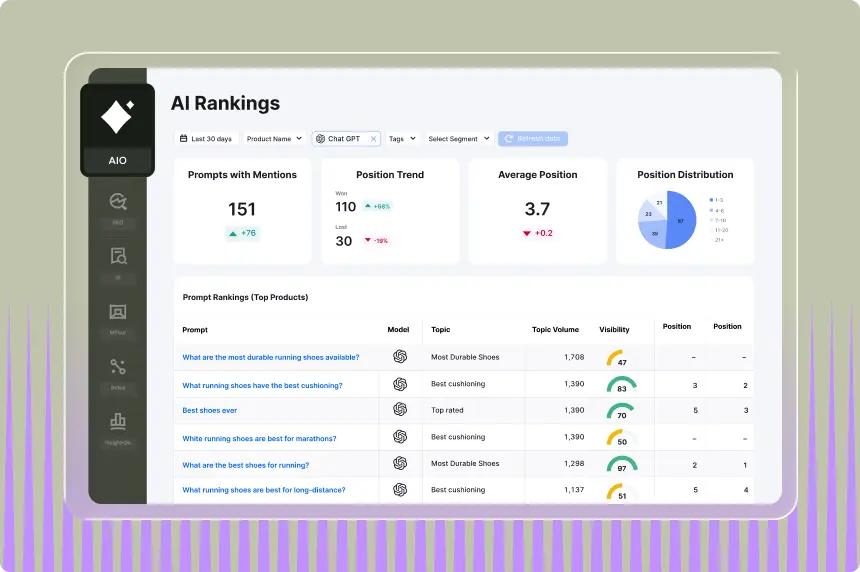
AI SEO Tools vs Traditional SEO Tools (Detailed Comparison)
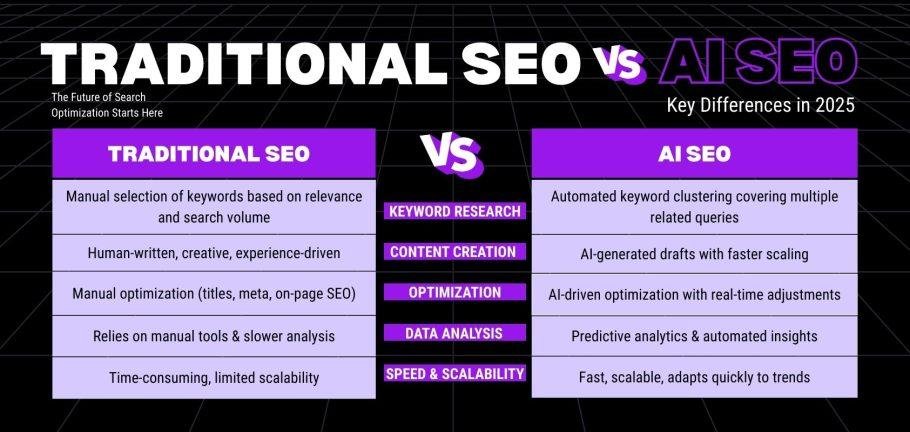
Choosing between and comparing AI SEO tools vs traditional SEO tools depends on your goals, experience, and workflow. Here’s how they compare across key areas.
| Feature | Traditional SEO Tools | AI SEO Tools |
|---|---|---|
| Keyword Research | Manual analysis | AI-powered keyword suggestions with search intent |
| Content Creation | Manual writing | AI-assisted content generation and optimization |
| Competitor Research | Manual reports | Automated insights and gap analysis |
| Technical SEO | Excellent diagnostics | Diagnostics with AI recommendations |
| Backlink Analysis | Detailed reports | Reports with prioritization and suggestions |
| Search Intent | Requires interpretation | Automatically identified |
| Automation | Limited | Extensive automation |
| Productivity | Moderate | High |
| Learning Curve | Steeper | Beginner-friendly in many cases |
| Content Optimization | Manual | AI-driven recommendations |
| Reporting | Manual analysis | Automated summaries and insights |
| Scalability | Slower for large projects | Ideal for agencies managing multiple websites |
Content Creation
Traditional SEO requires writers to perform keyword research, create outlines, and optimize content manually.
AI SEO tools can:
- Generate blog outlines
- Suggest headings
- Recommend semantic keywords
- Improve readability
- Create FAQs
- Draft meta descriptions
- Suggest internal links
This significantly reduces content production time.
Automation
One of the biggest advantages of AI is automation.
AI platforms can automatically:
- Optimize articles
- Audit websites
- Suggest fixes
- Monitor rankings
- Generate reports
- Recommend content updates
Traditional tools often require these tasks to be completed manually.
Local SEO
Businesses targeting local customers benefit from AI’s ability to analyze location-based search patterns, optimize local content, and identify opportunities for improving visibility in Google Business Profile.
This makes AI particularly valuable for local SEO AI tools and businesses seeking stronger local rankings.
Advantages of AI SEO
AI is transforming SEO by making optimization faster, smarter, and more efficient. Here are some of the key benefits:
1. Saves Time
AI automates repetitive tasks such as keyword clustering, content optimization, and technical audits, allowing marketers to focus on strategy.
2. Improves Content Quality
AI tools analyze top-ranking pages and recommend improvements to headings, structure, readability, semantic keywords, and search intent coverage.
3. Better Keyword Research
AI uncovers long-tail keywords, user questions, and emerging trends that may be overlooked with manual research.
4. Smarter Competitor Analysis
AI identifies content gaps, backlink opportunities, and ranking strategies more quickly than traditional manual methods.
5. Scales SEO Campaigns
For agencies managing multiple clients, AI streamlines reporting, optimization, and workflow automation—making it easier to scale operations without proportional increases in workload.
6. Enhances Local SEO
AI can optimize content for local search intent, improve Google Business Profile performance, and suggest locally relevant keywords, helping businesses connect with nearby customers.
7. Supports Better Decision-Making
By analyzing large datasets and surfacing actionable insights, AI helps marketers prioritize high-impact SEO tasks and adapt more quickly to changes in search behavior.
Conclusion
The debate between AI SEO tools vs traditional SEO tools isn’t about choosing one over the other—it’s about understanding how we can use and take the benefit of both AI SEO tools vs traditional SEO tools and how both the tools contribute to a successful SEO strategy. Traditional SEO tools continue to provide reliable data, detailed technical insights, and complete control over optimization. However, as search engines become more sophisticated and content competition increases, AI-powered SEO tools offer a significant advantage by automating repetitive tasks, accelerating content creation, and uncovering opportunities that would take much longer to identify manually.
For bloggers, freelancers, and small businesses, AI SEO tools can reduce the time spent on keyword research, content optimization, and competitor analysis, allowing more focus on creating valuable content and growing the business. SEO agencies managing multiple clients can benefit even more through workflow automation, AI-generated reports, and faster content production, enabling them to scale their services efficiently.
That said, AI should not replace strategic thinking. Google’s ranking systems continue to reward original, helpful, and trustworthy content. Human expertise is still essential for understanding your audience, verifying facts, developing unique insights, and building a long-term content strategy.
Actionable Recommendations
To get the best results of AI SEO tools vs traditional SEO tools in 2026, follow these practical recommendations:
1. Define Your SEO Goals First
Before purchasing any SEO software, identify your primary objective.
Ask yourself:
- Do you want to increase organic traffic?
- Are you focused on content marketing?
- Do you need better local SEO?
- Are you managing SEO for multiple clients?
- Do you need technical SEO improvements?
Your goals should determine which AI SEO tool is the right fit.
2. Combine AI with Traditional SEO
The most effective SEO strategy combines both approaches.
For example:
- Use traditional tools for technical SEO audits, backlink analysis, and rank tracking.
- Use AI tools for content creation, keyword clustering, search intent analysis, and content optimization.
This combination provides accurate data while improving productivity and efficiency.
3. Choose Tools That Fit Your Business Size
Different businesses have different requirements.
- Beginners: Start with user-friendly AI tools that simplify SEO.
- Small Businesses: Focus on affordable AI SEO tools with content optimization and local SEO features.
- Agencies: Invest in comprehensive platforms with automation, reporting, and multi-project management.
- Enterprise Websites: Look for advanced analytics, API integrations, and scalable workflows.
4. Prioritize User Experience Over Search Engines
SEO success in 2026 depends on creating content that genuinely helps users.
Ensure your content:
- Answers real search queries.
- Demonstrates expertise and trustworthiness.
- Loads quickly on all devices.
- Includes relevant visuals.
- Uses clear headings and readable formatting.
- Provides practical solutions instead of keyword stuffing.
5. Monitor Performance Regularly
SEO is an ongoing process, not a one-time task.
Track key metrics such as:
- Organic traffic
- Keyword rankings
- Click-through rate (CTR)
- Bounce rate
- Conversion rate
- Core Web Vitals
- Indexed pages
- Backlink growth
Use these insights to refine your strategy and improve your results over time.
6. Stay Updated with AI and Search Trends
Search algorithms and AI technologies continue to evolve. Keep learning about:
- AI-powered search experiences
- Changes in Google’s ranking systems
- Emerging AI SEO tools
- Content optimization best practices
- Voice search and conversational search
- Local SEO developments
Continuous learning will help you stay ahead of competitors.
Final Thoughts
AI SEO tools vs traditional SEO tools, or a combination of both, your long-term success will depend on consistently publishing high-quality, user-focused content supported by accurate data and smart optimization.
AI can significantly improve efficiency, but the strongest SEO strategies still rely on creativity, strategic planning, and a deep understanding of user intent. Businesses that balance AI-driven automation with human expertise will be best positioned to achieve sustainable organic growth in 2026 and beyond.