
How to choose AI SEO tools 2026
AI for SEO | SEO Content Writing AI | AI Keyword Research | AI Content Optimization | Technical SEO Tools | SEO Automation
Thank you for reading this post, don't forget to subscribe!
Introduction
How To Choose AI SEO Tools to optimize your website. As Artificial Intelligence has completely transformed the SEO industry. In 2026, businesses don't rely only on manual keyword research or traditional optimization methods. Now, AI-powered SEO tools help automate repetitive tasks, analyze search intent, generate optimized content, identify ranking opportunities, and monitor website performance more efficiently than ever before.
Whether you are a blogger, freelancer, digital marketer, agency owner, or local business, choosing the right AI SEO tool can improve your website's visibility on Google while saving hours of manual work every week.
However, with hundreds of AI SEO platforms available—including tools for keyword research, content generation, technical SEO, backlink analysis, and competitor tracking—it can be overwhelming to choose the one that truly fits your needs.
This guide will definitely help you to understand what AI SEO tools are, why they matter in 2026, and the key factors you should consider before selecting and investing.
However my Blog, "How To Choose AI SEO Tools" must help you to rank on Google search.
What Are AI SEO Tools?
AI SEO tools are software applications that use artificial intelligence and machine learning to improve search engine optimization to rank you in google search and helps you to grow and earn more. These tools automate many SEO tasks, provide intelligent recommendations, and help websites rank higher on Google Search.
Common features include:
- AI keyword research
- Content optimization
- AI content generation
- Competitor analysis
- Technical SEO audits
- Internal linking suggestions
- Backlink analysis
- Search intent detection
- SERP analysis
- Rank tracking
Instead of spending hours analyzing data manually, Learn how to choose AI SEO tools to generate actionable insights within minutes.
Why AI SEO Tools Are Essential in 2026
As AI had made search engines more smarter than ever. Google’s AI-driven algorithms now focus more on user intent, content quality, topical authority, and user experience than simply matching keywords.
AI SEO tools help website owners keep pace with these changes by providing real-time recommendations and automating complex optimization tasks.
How AI SEO Tools helps you in many ways and some key benefits include:
Save Time
Tasks that once required so much energy and several hours —such as keyword research, competitor analysis, or creating SEO briefs. Now it can be completed in just few minutes.
Better Content Quality
Modern AI tools analyze top-ranking pages and recommend:
- Missing topics
- Semantic keywords
- Heading improvements
- Readability enhancements
- Internal linking opportunities
This helps create more comprehensive content that satisfies user intent.
Smarter Keyword Research
Instead of focusing only on search volume, AI identifies:
- Search intent
- Question-based keywords
- Low-competition opportunities
- Emerging trends
- Long-tail keywords
This leads to higher-quality traffic.
Improve Technical SEO
Many AI platforms automatically detect issues such as:
- Broken links
- Missing meta descriptions
- Duplicate content
- Slow-loading pages
- Indexing problems
- Mobile usability issues
Fixing these issues improves overall website health and search performance. Above all benefits can be achieved only by Choosing AI SEO Tools.

10 Factors to Consider When Choosing an AI SEO Tool
How to choose AI SEO tools depends on your goals, budget, and experience. Here are the Ten most important factors to consider before making a decision.
1. Understand Your SEO Goals
Start by asking yourself:
- Do you need help writing SEO-friendly content?
- Are you focused on technical SEO?
- Do you want better keyword research?
- Are you trying to improve local SEO?
- Do you manage multiple client websites?
- Do you want AI to automate repetitive tasks?
Your goals should determine which tool fits to your target.
For example:
- Bloggers often prioritize content optimization.
- Agencies need comprehensive SEO suites.
- Local businesses benefit from local SEO and Google Business Profile insights.
- E-commerce stores may focus on product page optimization and technical SEO.
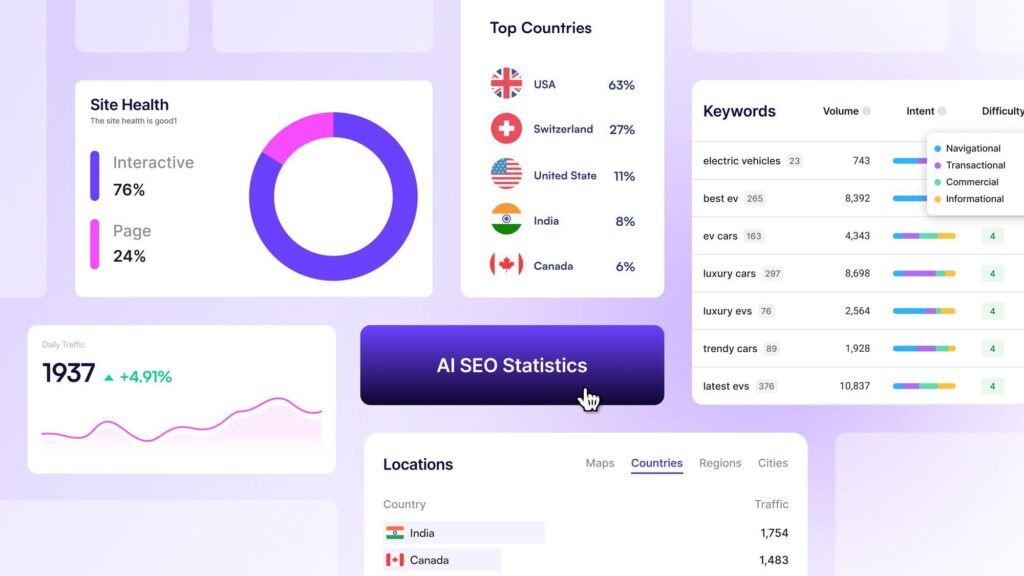
2. Look for AI-Powered Keyword Research
Keyword research remains one of the most critical aspects of SEO. Choosing a good AI SEO tool should provide more than just search volume.
Look for features such as:
- Search intent analysis
- Keyword difficulty
- Trending keywords
- Long-tail keyword suggestions
- Related questions
- Competitor keyword analysis
- Seasonal trends
These insights help you create content that aligns with what users are actively searching for.
3. Evaluate Content Optimization Features
Content is still the foundation of SEO, but simply inserting keywords is no longer enough.
An advanced AI SEO tool should help you optimize content by recommending:
- Better headings
- Semantic keywords
- Content structure
- Readability improvements
- FAQs
- Internal linking suggestions
- Content freshness
- Entity optimization
These features increase the likelihood of ranking for competitive search terms.
4. Check Competitor Analysis Capabilities
Understanding your competitors is essential for identifying opportunities and gaps.
A quality AI SEO tool should allow you to:
- Analyze competitor keywords
- Identify top-performing pages
- Compare backlink profiles
- Review content strategies
- Discover ranking gaps
These insights help you create stronger, more competitive content.
5. Assess Technical SEO Features
Technical SEO remains a cornerstone of website performance.
Look for tools that can identify issues such as:
- Broken links
- Crawl errors
- Missing image alt text
- Slow page speed
- Core Web Vitals
- Duplicate content
- XML sitemap issues
- Mobile optimization
Regular technical audits ensure your website remains search-engine friendly.
6. Check AI Content Writing and Optimization Features
Content remains the backbone of SEO in 2026, but Google’s algorithms have become much more sophisticated. Simply publishing AI-generated articles is no longer enough. Search engines reward content that demonstrates experience, expertise, authority, and trustworthiness (E-E-A-T).
Choosing a good AI SEO tool should not only help you generate content but also optimize it for search intent, readability, and topical authority.
Look for these AI content features:
- AI-generated SEO blog outlines
- Content briefs based on top-ranking pages
- Keyword optimization suggestions
- NLP (Natural Language Processing) keyword recommendations
- Semantic keyword analysis
- Readability scoring
- AI rewriting and paraphrasing
- FAQ generation
- Internal linking suggestions
- Meta title and meta description creation
The best AI tools also analyze your competitors’ content and recommend missing topics, helping you create more comprehensive articles that are more likely to rank.
Why It Matters
Instead of writing a 1,000-word article that misses important subtopics, AI can identify content gaps and suggest improvements before you publish. This increases your chances of ranking higher while providing more value to your readers.

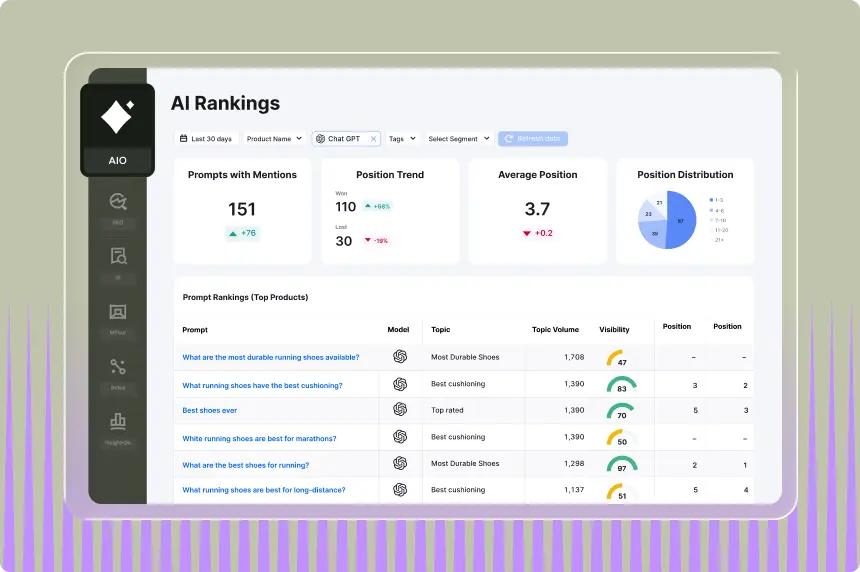
7. Evaluate Reporting and Analytics
SEO isn’t just about creating content—it’s about measuring performance and making data-driven decisions.
How to Choose AI SEO tool that offers clear, actionable reports instead of overwhelming you with raw data.
Important reporting features include:
- Organic traffic trends
- Keyword ranking reports
- Click-through rate (CTR)
- Impressions
- Competitor comparison
- Backlink growth
- Technical SEO score
- Page performance analysis
- Content performance insights
- AI-generated recommendations
These reports help you understand what’s working and where improvements are needed.
Pro Tip
Look for dashboards that present information visually using charts and graphs. This makes it easier to monitor your SEO progress over time.
8. Consider Ease of Use and User Experience
Many SEO tools offer hundreds of features, but they can be difficult to use, especially for beginners. That why ‘How to choose AI SEO Tool’ is so important for beginners in 2026.
Before purchasing an AI SEO tool, ask yourself:
- Is the interface user-friendly?
- Can beginners understand it?
- Does it provide tutorials or onboarding?
- Is customer support available?
- Does it integrate with other tools you already use?
A clean, intuitive interface can significantly reduce your learning curve and improve productivity.
Tip for Beginners
If you’re new to SEO, how to choose ai SEO tool that offers AI-guided workflows and step-by-step recommendations instead of complex dashboards.
9. Compare Pricing and Value
AI SEO tools come in various pricing tiers, from free versions to enterprise-level subscriptions.
Before investing, evaluate:
- Monthly or annual cost
- Features included in each plan
- Number of users allowed
- Project limits
- Keyword tracking limits
- Content generation credits
- API access
- Customer support quality
Remember, the most expensive tool isn’t always the best choice. Select a solution that aligns with your business needs and budget.
Free vs. Paid Tools
Free tools are excellent for learning SEO basics, while paid tools generally provide advanced features, more accurate data, and better automation.
Always start your journey with the Free SEO Tools.
10. Check Integrations and Automation
Modern digital marketing relies on a connected ecosystem of tools.
The ideal AI SEO platform should integrate seamlessly with services such as:
- Google Search Console
- Google Analytics 4
- Google Business Profile
- WordPress
- Shopify
- Google Docs
- Microsoft Word
- Content Management Systems (CMS)
- Social media platforms
Automation features like scheduled audits, automated reports, and content optimization alerts can save valuable time and improve efficiency.
Comparison of the Best AI SEO Tools in 2026
| Tool | Best For | Strengths | Pricing (Approx.) |
|---|---|---|---|
| ChatGPT | Content creation, brainstorming | SEO writing, outlines, FAQs, content ideas | Free / Plus |
| Surfer SEO | Content optimization | NLP keywords, content scoring, SERP analysis | Paid |
| Semrush | Complete SEO suite | Keyword research, backlinks, technical SEO, competitor analysis | Paid |
| Ahrefs | Backlink and competitor research | Strong backlink database, keyword explorer | Paid |
| Frase | AI content briefs | Content optimization and SERP analysis | Paid |
| NeuronWriter | Budget content optimization | NLP optimization and content scoring | Affordable |
| SE Ranking | Small businesses | Rank tracking, audits, competitor research | Affordable |
| Screaming Frog | Technical SEO | Website crawling and technical audits | Free/Paid |
Common Mistakes to Avoid When Choosing an AI SEO Tool
Many website owners invest in expensive AI SEO software without understanding their actual requirements. Avoid these common mistakes:
Choosing Based Only on Price
A cheaper tool may lack essential features, while an expensive platform may include capabilities you never use. Focus on value rather than cost.
Expecting AI to Replace Human Expertise
AI can assist with research, optimization, and automation, but human judgment is still essential for creating trustworthy, original, and audience-focused content.
Ignoring Technical SEO
Even the best content won’t rank if your website suffers from slow loading speeds, crawl errors, or poor mobile usability.
Not Testing Free Trials
Most premium tools offer free trials or demos. Test the interface, features, and reporting before subscribing.
Overlooking Customer Support
Reliable customer support, tutorials, and documentation can save hours of frustration when you’re learning a new platform.
Frequently Asked Questions (FAQ)
1. Are AI SEO tools worth using in 2026?
Yes. AI SEO tools can automate repetitive tasks, improve content quality, identify ranking opportunities, and help businesses save time while enhancing their search engine visibility.
2. Can AI SEO tools guarantee Google rankings?
No. No tool can guarantee first-page rankings. Rankings depend on factors such as content quality, competition, backlinks, website authority, user experience, and adherence to Google’s guidelines.
3. Which AI SEO tool is best for beginners?
ChatGPT, SE Ranking, and NeuronWriter are excellent choices for beginners due to their user-friendly interfaces and practical features.
4. Can AI completely replace SEO experts?
No. AI enhances productivity, but human expertise is necessary for strategy, creativity, fact-checking, and building trust with audiences.
5. How to choose AI SEO Tools & What features should I prioritize?
Focus on tools that provide keyword research, content optimization, technical SEO audits, competitor analysis, reporting, and seamless integrations with your existing workflow.
Final Recommendation
How to choose AI SEO tool in 2026 isn’t about choosing the platform with the most features—it’s about finding the solution that aligns with your goals, budget, and skill level.
If you’re a beginner, start with accessible tools and build your expertise over time. As your website grows, you can invest in more comprehensive platforms that offer advanced analytics and automation.
Remember, AI should enhance your SEO strategy—not replace thoughtful planning, high-quality content, or a strong understanding of your audience. By combining AI-powered insights with consistent optimization and valuable content, you’ll be well-positioned to achieve sustainable search engine growth.
Conclusion
‘How to Choose AI SEO tool in 2026. ‘ It is a strategic investment that can significantly improve your website’s visibility, streamline your workflow, and help you create content that resonates with both users and search engines. Rather than chasing the most feature-rich platform, focus on a tool that aligns with your goals, supports your budget, and integrates well with your existing processes.
As AI continues to shape the future of SEO, businesses, bloggers, freelancers, and marketers who combine intelligent automation with high-quality, user-focused content will have a strong competitive advantage. Evaluate your needs, test available options, and continuously refine your SEO strategy using data-driven insights.
Ready to grow your website with AI? Explore more practical AI and SEO guides on Smart Global Digital Hub and start building a smarter, more effective digital presence today.
Pingback: 6 Excellent Steps How to Do Keyword Research Using AI Tools