How AI is Changing Google Search Rankings in 2026 | AI SEO Guide
AI SEO | Google ranking factors | AI content optimization |AI search engine optimization | Future of Google Search
Thank you for reading this post, don't forget to subscribe!Introduction
How AI is Changing Google Search Rankings
Google Search is evolving faster than ever, and Artificial Intelligence (AI) is now at the center of this transformation. From understanding user intent to evaluating content quality, AI has completely changed how websites rank in Google search results.
In 2026, traditional SEO alone is no longer enough. Website owners, bloggers, and businesses must understand how Google uses AI to rank content and how AI tools can help improve SEO performance.
In this article, you’ll learn how AI is changing Google search rankings, what it means for website owners, and how you can adapt your SEO strategy to stay ahead.
What is AI in Google Search?
Artificial Intelligence in Google Search refers to machine learning systems and algorithms that help Google understand search queries, user behavior, and webpage quality more accurately.
Google uses AI systems like:
- RankBrain
- BERT
- MUM
- Gemini AI integration
- Helpful Content System
These technologies help Google deliver more relevant and useful search results to users.
How AI Impacts Google Rankings
1. Better Understanding of Search Intent
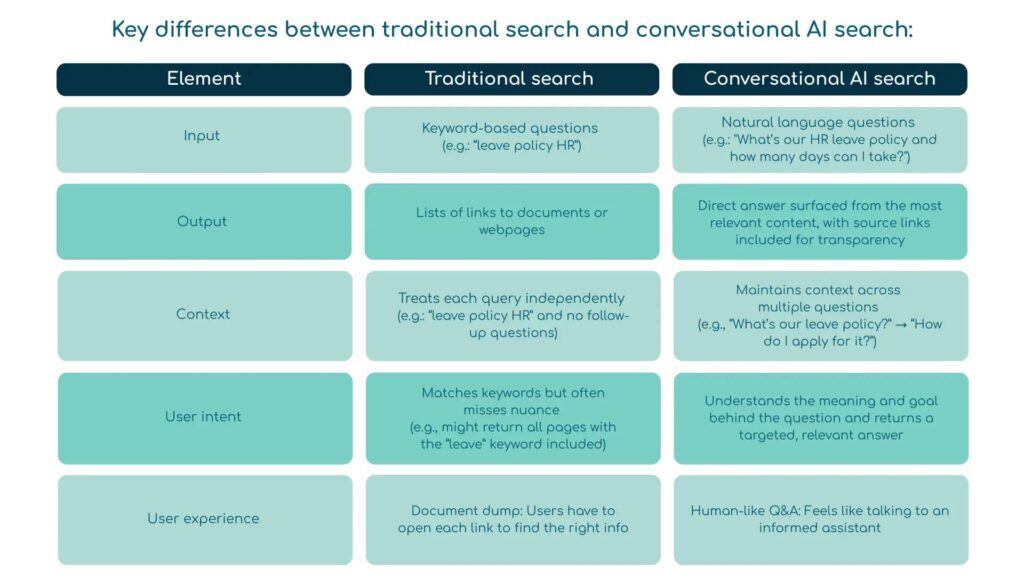
Earlier, Google mainly focused on matching keywords. Now AI helps Google understand the actual meaning behind a search query.
For example:
If someone searches:
“best shoes for running in India”
Google understands the user wants:
- Product recommendations
- Reviews
- Budget options
- Buying guides
Instead of simply matching the exact keywords, Google analyzes intent.
SEO Tip:
Create content that answers user questions completely rather than stuffing keywords repeatedly.
2. AI Prioritizes Helpful Content
Google’s Helpful Content System rewards content that is genuinely useful for readers.
AI can now detect:
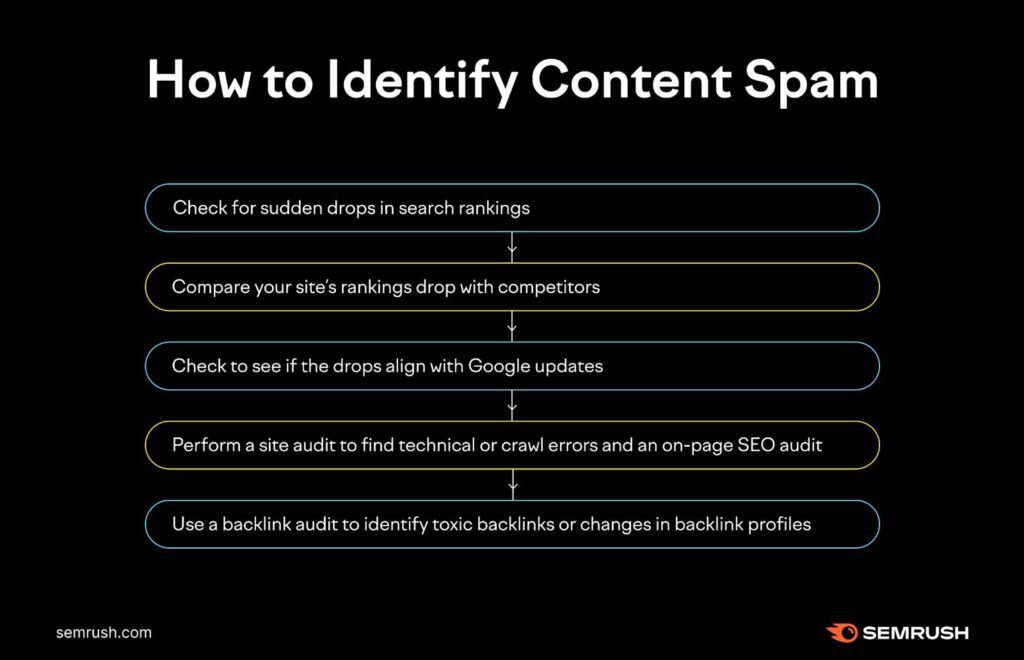
- Thin content
- Keyword stuffing
- Low-quality AI-generated articles
- Clickbait content
- Duplicate content
Websites publishing original, experience-based, and informative content rank better.
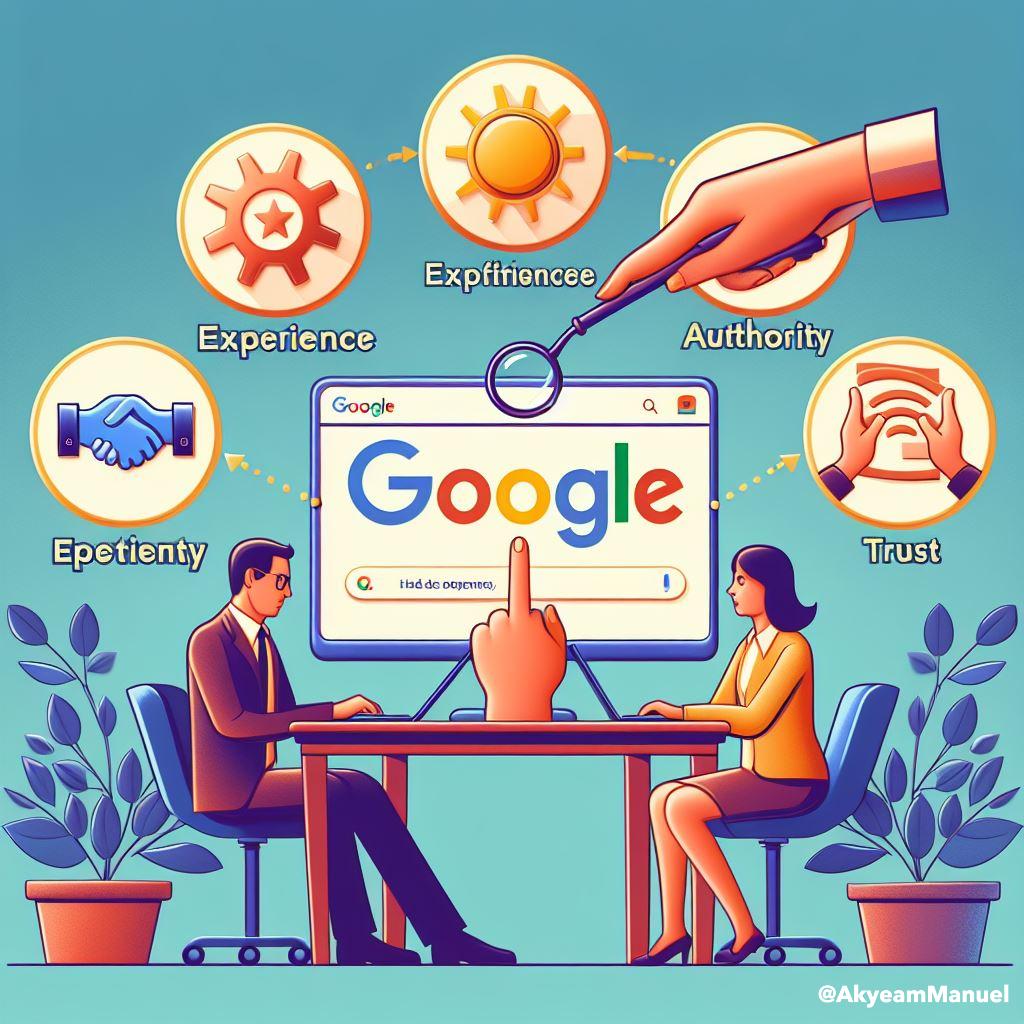
EEAT Matters More Than Ever
Google strongly evaluates:
- Experience
- Expertise
- Authoritativeness
- Trustworthiness (EEAT)
This means personal insights, expert knowledge, and trustworthy information improve rankings.
AI-Generated Content and SEO
Many bloggers now use AI tools like:
- OpenAI ChatGPT
- Google Gemini
- Jasper Jasper AI
- Surfer SEO Surfer SEO
AI-generated content is not automatically bad for SEO. Google has clearly stated that high-quality content is acceptable whether written by humans or AI.
However, AI-generated articles that:
- Lack originality
- Contain factual errors
- Provide no value
- Are mass-produced
can negatively affect rankings.
Best Practice:
Use AI for:
- Research
- Outlines
- Keyword suggestions
- Content optimization
But always add:
- Human editing
- Real examples
- Unique insights
- Personal experience
AI-Powered Google Features Affecting SEO
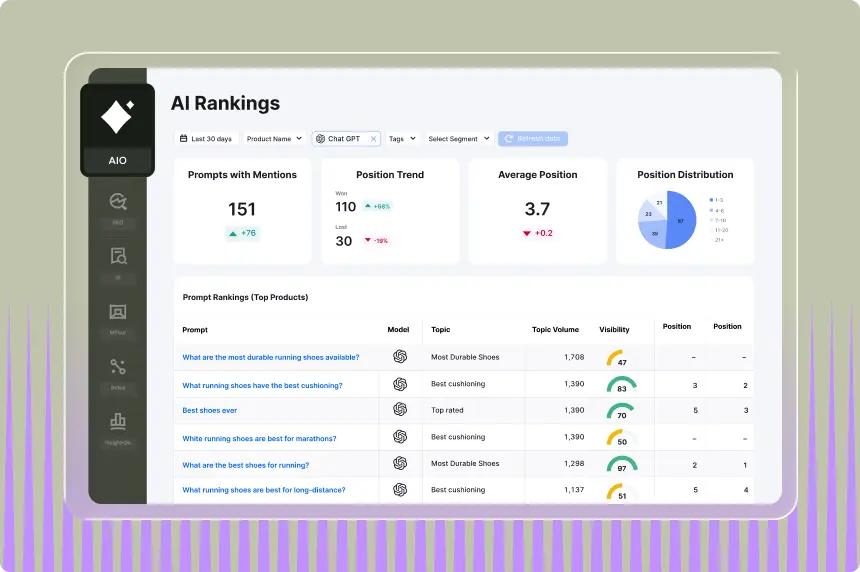
1. AI Overviews
Google now shows AI-generated summaries directly in search results.
This reduces clicks for some websites because users may get answers instantly without visiting a page.
To compete:
- Create in-depth content
- Use structured headings
- Answer specific questions clearly
- Add unique insights not available elsewhere
2. Voice Search Optimization
AI has improved voice assistants and conversational searches.
People now search using natural language like:
“Which is the best free AI SEO tool for beginners?”
SEO Strategy:
Optimize for:
- Long-tail keywords
- Conversational phrases
- FAQ sections
How AI Helps SEO Professionals
AI is not only changing rankings — it is also helping marketers improve SEO strategies.
AI Tools Can Help With:
- Keyword research
- Content optimization
- Competitor analysis
- Technical SEO audits
- Meta tag creation
- Internal linking suggestions
- Search intent analysis
Popular AI SEO tools include:
- Semrush Semrush
- Ahrefs Ahrefs
- Surfer SEO Surfer SEO
- Frase Frase
These tools help websites create more optimized and user-friendly content.
The Future of SEO with AI
SEO in 2026 is becoming more user-focused than keyword-focused.
Google AI now evaluates:
- User satisfaction
- Content depth
- Website trust
- Engagement signals
- Search behavior
- Mobile experience
- Page speed
This means websites must prioritize user experience over SEO tricks.
How to Rank Better in Google Using AI
Here are practical ways to improve rankings in the AI era:
1. Focus on Search Intent
Understand what users actually want before creating content.
2. Create Original Content
Add personal experience, case studies, and examples.
3. Optimize for EEAT
Show expertise and build trust.
4. Use AI as an Assistant, Not a Replacement
AI should support your writing process, not fully automate it.
5. Improve Technical SEO
Optimize:
- Page speed
- Mobile responsiveness
- Core Web Vitals
- Structured data
6. Update Old Content Regularly
Google prefers fresh and updated information.
7. Use Long-Tail Keywords
Target detailed search queries with lower competition.
Common SEO Mistakes in the AI Era
Avoid these mistakes:
- Publishing unedited AI content
- Keyword stuffing
- Ignoring user experience
- Creating low-quality backlinks
- Writing only for search engines
- Copying competitors
Google’s AI systems are now smart enough to detect manipulative SEO practices.
Conclusion
Artificial Intelligence is completely reshaping Google Search rankings. SEO is no longer just about keywords and backlinks — it is about creating genuinely helpful, trustworthy, and user-focused content.
Websites that combine:
- High-quality content
- Smart AI tools
- Strong user experience
- EEAT principles
will perform best in the future of search.
Instead of fearing AI, bloggers and businesses should learn how to use it strategically. When used correctly, AI can improve SEO efficiency, content quality, and long-term Google rankings.
SEO Tips to Rank This Article Faster
- Add internal links to related AI SEO posts
- Include FAQ schema markup
- Compress images for faster loading
- Use focus keyword naturally in headings
- Add outbound links to authoritative SEO sources
- Share article on LinkedIn and Pinterest
- Update content every 3–6 months
Suggested FAQ Section
Is AI-generated content good for SEO?
Yes, if the content is high-quality, helpful, and human-edited.
What AI does Google use in Search?
Google uses RankBrain, BERT, MUM, and Gemini AI technologies.
Can AI replace SEO experts?
No. AI helps automate tasks, but human strategy and creativity remain essential.
What is the future of SEO with AI?
SEO will become more focused on user experience, search intent, and trustworthy content.